
Fundamental Analysis vs Technical Analysis: Which Is Better for Investors?

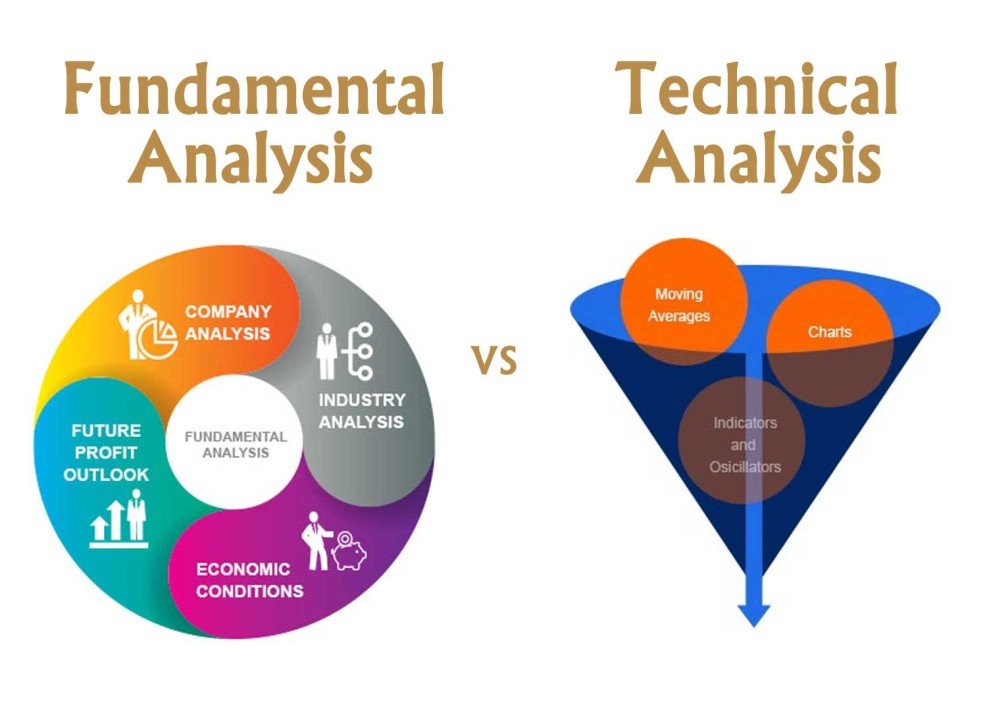
Fundamental analysis and technical analysis are two widely used approaches in stock market investing, each serving different investor goals. Fundamental analysis focuses on a company’s financial health, including revenue, profits, balance sheets, industry position, and economic factors, making it ideal for long-term investors who seek value and sustainable growth. In contrast, technical analysis studies price … Read more

Future Trends in the Stock Market: AI, Green Energy, and Emerging Sectors

The stock market is rapidly evolving with emerging trends that are reshaping investment opportunities and long-term growth potential. Artificial Intelligence (AI) is driving innovation across industries, from autonomous vehicles to data analytics, making AI-focused companies attractive to investors seeking exposure to high-growth technology. Green energy—including solar, wind, and battery technologies—is gaining momentum as the world … Read more

Role of Emotions in Stock Market Investing and How to Control Them

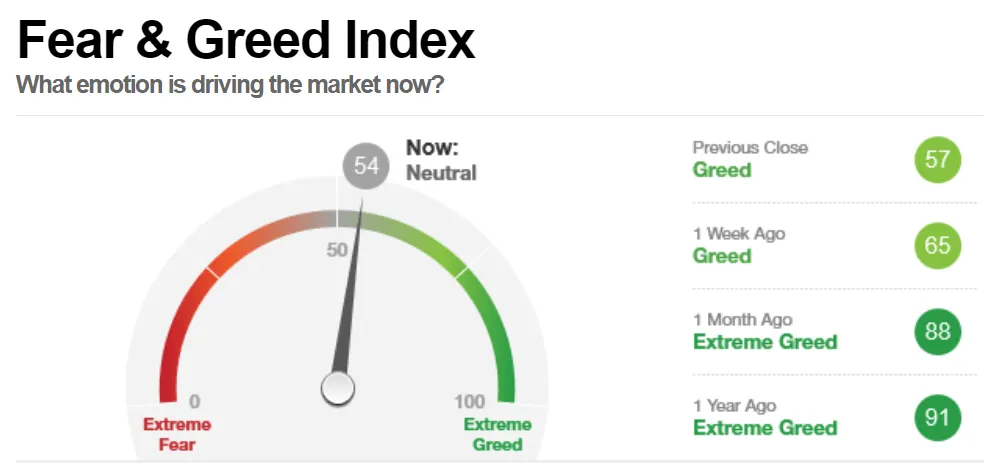
Emotions play a powerful role in stock market investing and often determine success or failure more than knowledge or strategy. Feelings like fear, greed, overconfidence, and panic can push investors to buy stocks at high prices during market hype or sell quality investments during temporary market crashes. Fear may cause premature selling, while greed can … Read more

how to choose best stock market statrtegies in 2026

To choose the best stock market strategies in 2026, start by clearly understanding your financial goals, time horizon, and how much risk you can handle, because the “best” strategy depends more on you than on the market itself. In 2026, many investors are combining long-term approaches like diversified index investing, dollar-cost averaging, and quality growth or dividend stocks with selective exposure to strong themes such as technology, AI, healthcare, and sustainable businesses. Diversification across sectors and countries remains important to reduce risk, while regular portfolio review and rebalancing help manage volatility. Instead of chasing hype or short-term trends, focus on companies with solid fundamentals, consistent earnings, and reasonable valuations, and use simple risk-management rules if you trade actively. Overall, a balanced strategy—mixing patience, diversification, and discipline—is more reliable in 2026 than trying to predict quick market moves.